
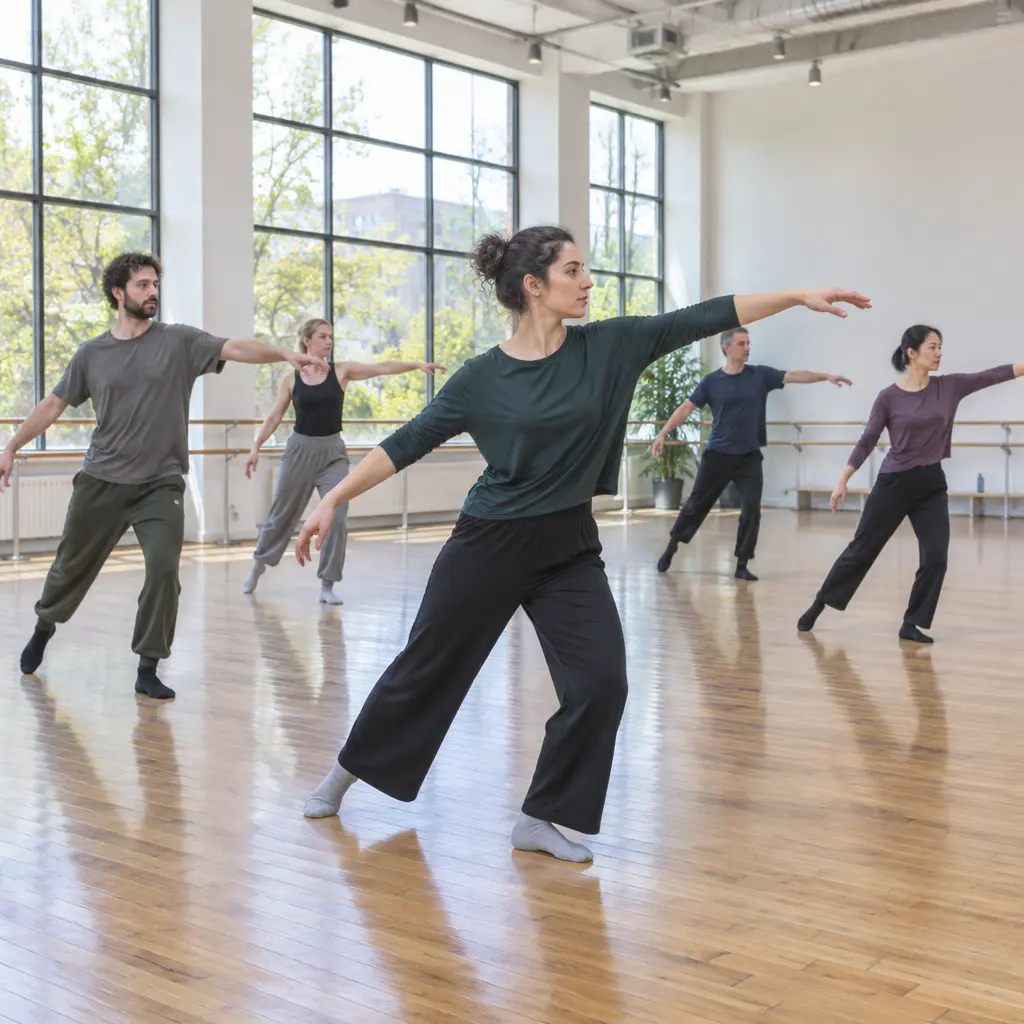
Contemporary dance is a broad, evolving form of performance that blends movement ideas from modern dance, ballet, improvisation, and other traditions. Adults can begin without prior dance experience: start with a beginner-friendly class, learn foundational movement and studio practices, and progress at a pace that suits your body. The World Health Organization recommends adults get at least 150 minutes of moderate-intensity physical activity a week, and dance can contribute to an active routine while also offering creative and social benefits. Here is how to choose a class, prepare safely, build skills, and keep learning.
Starting contemporary dance as an adult beginner
Contemporary dance is not one fixed technique or vocabulary. Dance educators and institutions commonly describe it as a performance form that draws on diverse movement practices and emphasizes exploration, expression, and changing choreographic approaches. For a beginner, that means classes may include structured exercises, floor work, improvisation, and short combinations rather than a single standardized syllabus.
There is no age cutoff for beginning. A suitable class should explain its level, welcome people who are new to dance, and offer modifications for different bodies and experience levels. The National Institute on Aging notes that physical activity can support health and function as people age; however, dance is not a substitute for individualized medical advice. If you have a health concern, injury, or uncertainty about exercise, check with a qualified health professional before starting.
Choosing a contemporary dance class
The right class matches your current experience, goals, and comfort with movement. Class labels vary between studios, so look beyond the word “beginner”: ask whether the class assumes prior ballet or modern dance training, how much floor work it includes, and whether the teacher provides options. A trial class can help you assess the teaching style before committing.
Beginner and open-level classes
A beginner class is designed to introduce basic movement ideas and class routines. An open-level class may welcome newcomers but include material that challenges experienced dancers, so confirm how the teacher adapts exercises. Tell the instructor that you are new; this helps them explain terminology and suggest alternatives without singling you out.
Technique, improvisation, and repertory
Technique classes develop coordination, balance, strength, spatial awareness, and movement transitions. Improvisation classes invite dancers to explore movement choices in response to prompts, music, or space. Repertory classes teach and rehearse choreography. Many contemporary classes combine these approaches, but a first-time dancer may find a fundamentals-focused class easier to follow than a choreography-heavy session.
Questions to ask before enrolling
- Is the class specifically suitable for adults with no dance experience?
- Does it involve kneeling, rolling, jumping, or extended floor work?
- What clothing, footwear, and equipment should I bring?
- Can movements be modified for limited mobility or an existing injury?
- Are trial classes, drop-ins, or beginner courses available?
Preparing your body and your first class
Preparation means arriving ready to move, not trying to master dance technique in advance. Contemporary dance can involve changes of level, direction, and speed, so comfortable clothing and enough room to move matter. Follow the studio’s instructions about bare feet, socks, or dance shoes; footwear requirements differ by floor and teaching approach.
What to wear and bring
Choose breathable clothes that allow your instructor to see how your joints and limbs move, while still making you feel comfortable. Bring water and any prescribed supports you normally use. Avoid jewelry or clothing that could catch during movement, and do not assume that bare feet are appropriate in every studio.
Warm-up, pacing, and recovery
A class should include a progressive warm-up, but arrive early enough to settle in and tell the teacher about relevant limitations. Begin at a manageable effort. Take breaks when needed, and distinguish ordinary exertion from sharp, worsening, or unusual pain. The Centers for Disease Control and Prevention advises adults to build toward at least 150 minutes of moderate-intensity aerobic activity weekly, alongside muscle-strengthening activity on two days; dance may contribute to activity, but class intensity varies and not every session meets the aerobic guideline.
The CDC’s activity guidance is a useful general reference, not a requirement to do a certain number of dance classes. If you are inactive, increasing movement gradually is a practical way to adjust to new demands. Rest, hydration, and sleep can support recovery between sessions.
Building foundational contemporary dance skills
Contemporary dance skills develop through repeated practice, attention, and experimentation—not flexibility alone. Beginners benefit from learning how to move with control, notice weight shifts, and adapt choreography to their current abilities. Progress is individual; comparing your range of motion or coordination with another dancer is less useful than noticing what feels clearer over time.
Balance, alignment, and weight transfer
Alignment describes how the body organizes its joints and segments during movement, while weight transfer is the process of shifting support from one body part or foot to another. These ideas help dancers move between standing, crouching, and floor-based positions with greater awareness. Ask for a demonstration or a slower version when a sequence feels difficult to understand.
Floor work and safe transitions
Floor work includes movements performed close to or on the floor, such as rolling, sliding, or moving through kneeling positions. It can be unfamiliar for adults who have not trained in dance. Learn transitions gradually, use a modification if a movement causes discomfort, and ask whether the studio has mats or other options when pressure on knees or wrists is a concern.
Musicality and improvisation
Musicality is the way a dancer responds to rhythm, phrasing, silence, and changes in sound. Improvisation develops attention and decision-making by asking dancers to explore movement rather than reproduce a fixed sequence. You do not need to be a musician or invent impressive steps: listening, pausing, changing direction, or repeating a simple gesture can all be valid starting points.
Creating a realistic practice routine
Consistency matters more than an ambitious schedule that is hard to sustain. One class a week can help establish a habit; if you enjoy it and recover comfortably, you can add practice gradually. Use short sessions at home to review class ideas, rather than attempting risky movements without instruction or a suitable space.
- Choose one beginner-friendly class and attend regularly for several weeks.
- After class, note one movement that felt comfortable and one question to ask next time.
- Practice simple coordination or musicality exercises at home, keeping the floor clear.
- Increase class frequency or intensity only when your body is adapting well.
- Reassess your goals periodically: you may prefer technique, improvisation, performance, or simply moving for enjoyment.
A simple progress chart can track attendance, energy, confidence, and any discomfort after class. It is not a medical assessment, but it can help you recognize patterns and decide whether to adjust your routine or ask the instructor for guidance.
Finding community and continuing to learn
A supportive learning environment can make it easier to keep attending. Look for clear communication, respectful corrections, and a teacher who offers alternatives rather than treating one body type or movement range as the standard. Community centers, dance schools, adult education programs, and online studio schedules may all list introductory options; verify the class level and accessibility details directly with the provider.
Contemporary dance has no single universal progression, so further learning can take many forms: continuing weekly classes, attending workshops, watching performances, or exploring movement histories with reputable dance institutions. If a class includes partnering or lifts, ask about prerequisites and safety instruction before participating.
Conclusion: Begin contemporary dance at your own pace
Starting contemporary dance as an adult beginner means finding an appropriate class, preparing sensibly, and developing skills through steady practice. Beginner or fundamentals classes can introduce technique, floor work, musicality, and improvisation, while clear communication and gradual pacing help you participate more comfortably. Dance can be part of an active lifestyle, but class demands vary and personal health needs matter. Choose a class, tell the instructor you are new, and give yourself permission to learn one movement at a time.
Sources: World Health Organization, WHO Guidelines on Physical Activity and Sedentary Behaviour, https://www.who.int/publications/i/item/9789240015128; Centers for Disease Control and Prevention, Adult Activity: An Overview, https://www.cdc.gov/physical-activity-basics/guidelines/adults.html; National Institute on Aging, Exercise and Physical Activity, https://www.nia.nih.gov/health/exercise-and-physical-activity