The Development and Influence of Modern Dance
0 Comments

Modern dance is a broad family of concert-dance practices that developed in the late 19th and early 20th centuries as artists challenged the formal vocabulary and conventions of classical ballet. Its history is not a single movement but a series of innovations—from Isadora Duncan’s expressive freedom and Martha Graham’s dramatic technique to postmodern experimentation and […]
The Main Ideas Behind Modern Dance

0 Comments

Modern dance is a broad family of concert-dance practices that developed in the late 19th and early 20th centuries as artists sought alternatives to ballet’s conventions. Its central ideas are that movement can express personal and social experience, that the whole body can be a source of choreography, and that dance can question inherited rules. […]


How Dancers Create Meaning Without Words

0 Comments

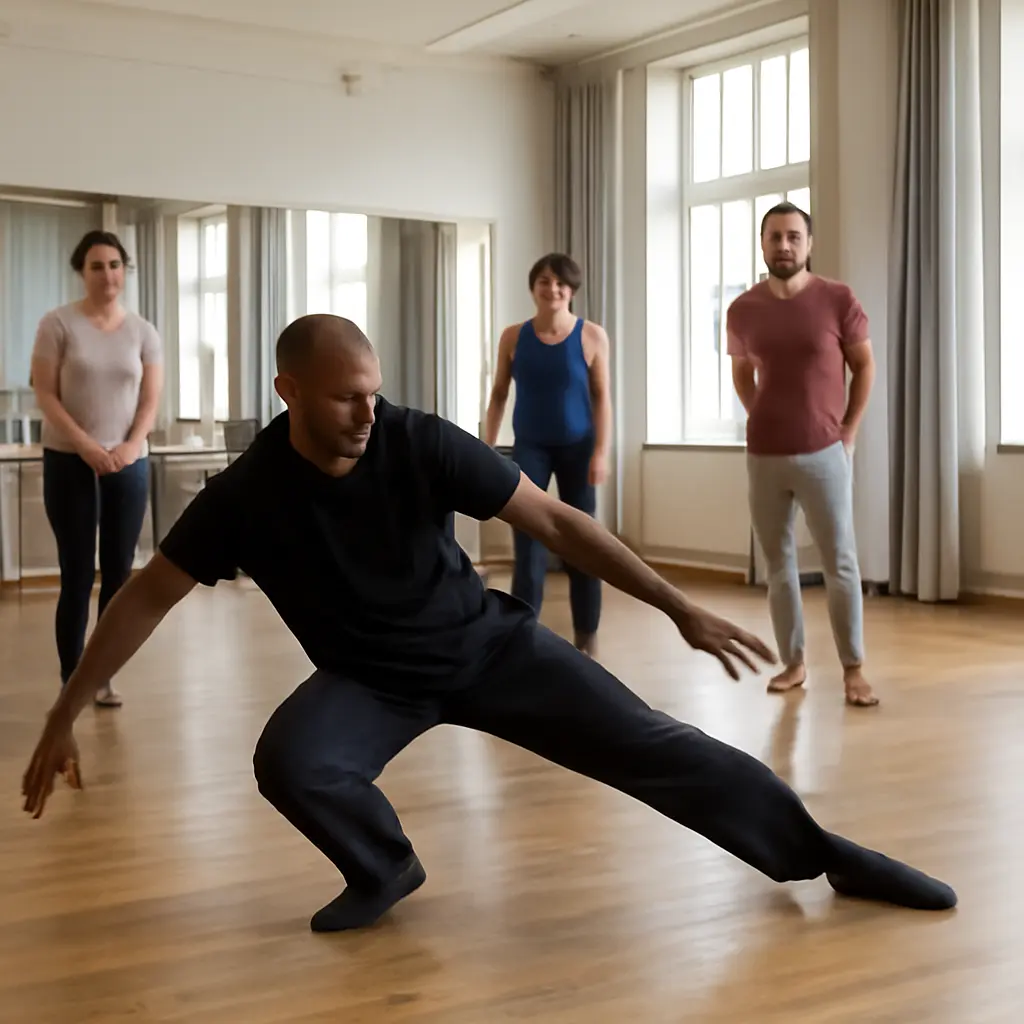
Dance creates meaning through movement, timing, space, facial expression, and relationships between performers—without requiring spoken language. In dance studies, these choices are often understood as choreography and embodied communication: the body can suggest emotion, identity, conflict, or community, though interpretation depends on cultural context and the viewer. Research on gesture and emotion, UNESCO’s recognition of […]


The Difference Between Contemporary Dance and Modern Dance

0 Comments

Contemporary dance and modern dance are related but distinct forms of concert dance. Modern dance emerged in the late 19th and early 20th centuries as a departure from ballet’s formal conventions, while contemporary dance developed later and draws on modern dance, ballet, and other movement traditions. The clearest difference is that modern dance refers to […]


The Essential Guide to Contemporary Dance

0 Comments

Contemporary dance is a broad, evolving approach to concert dance that draws on modern dance, ballet, improvisation, and other movement traditions. There is no single technique or universally accepted definition: choreographers and performers combine methods to explore movement, space, music, and ideas in distinct ways. This guide explains the form’s history and defining attributes, introduces […]


What happens when you stop overthinking and let your body feel the dance

0 Comments

Dancing without overthinking means shifting attention away from judging or planning every movement and toward the sensations, rhythm, and impulses of the body. That shift can make dance feel more absorbing and enjoyable, while offering a practical way to explore movement without treating it as a performance. Research on music, movement, attention, and exercise supports […]


What happens when a dancer stops hiding and the audience responds

0 Comments

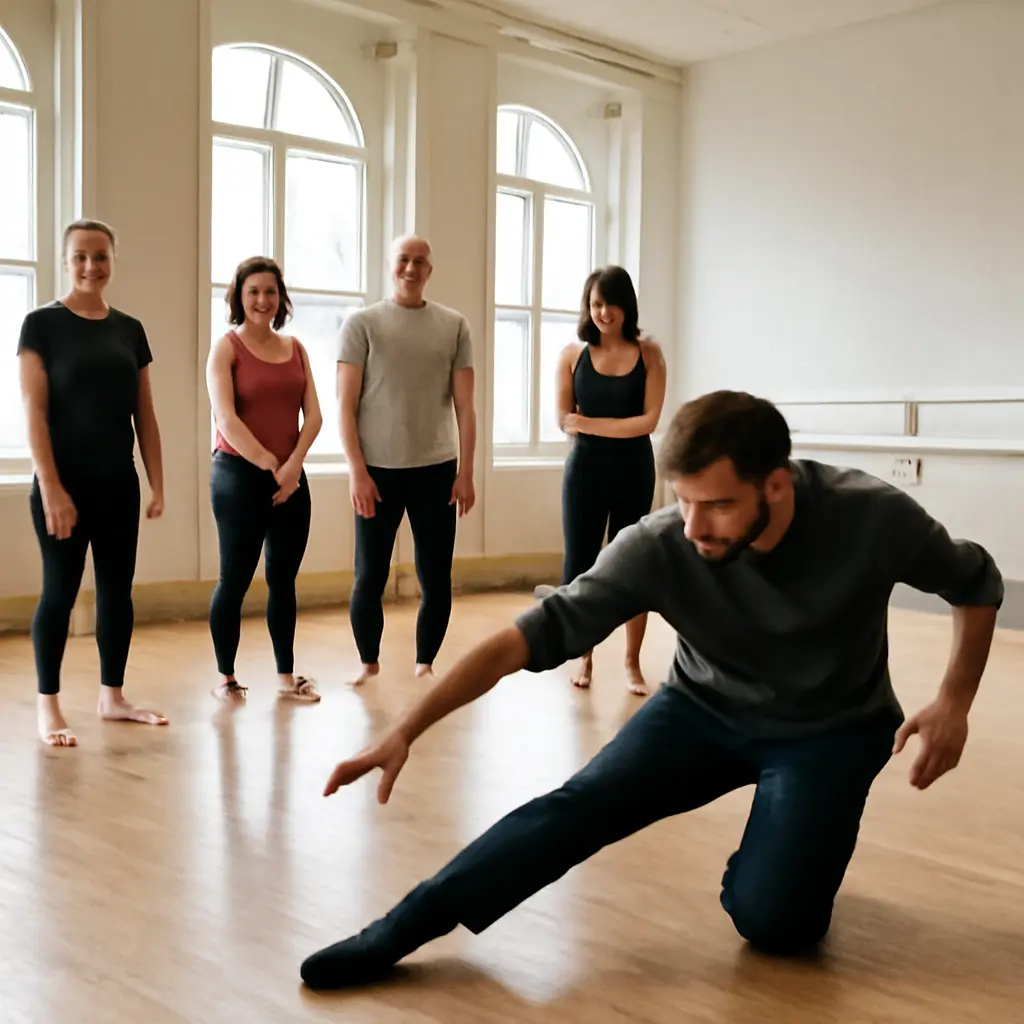
A dancer who stops hiding makes a private experience visible through movement, and the audience’s response can turn that act into a moment of recognition, connection, or debate. In dance, “stopping hiding” may mean revealing a face or body, moving beyond a role designed to conceal, or performing with greater emotional openness. The response is […]


Recovery routines that actually let you move the next day

0 Comments

Recovery routines are the practices that help your body and mind return toward baseline after exercise, demanding work, or a poor night’s sleep. The most useful routine is not the most elaborate one: it prioritizes enough sleep, appropriate food and fluids, and movement scaled to how you feel. The Centers for Disease Control and Prevention […]


Landing Like a Pro: Chain Your Feet, Ankles, and Hips Together

0 Comments

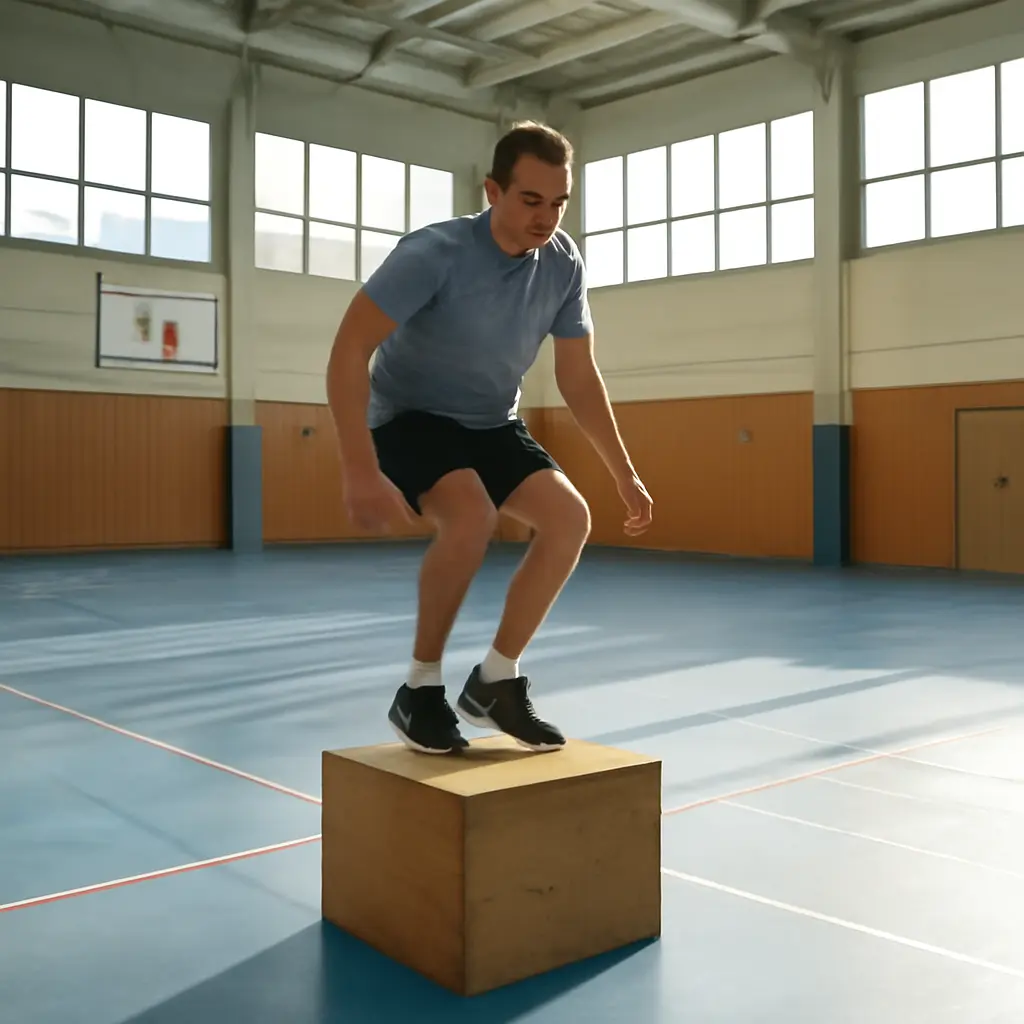
A safe landing is not simply a soft landing: it is a coordinated way to absorb force through the feet, ankles, knees, and hips while keeping the body balanced. To “chain” the feet, ankles, and hips means to let these joints work in sequence rather than asking one area to take the impact alone. Sports-medicine […]


Breathing Into Your Movement 5 Ways Contraction Deepens Expression

0 Comments

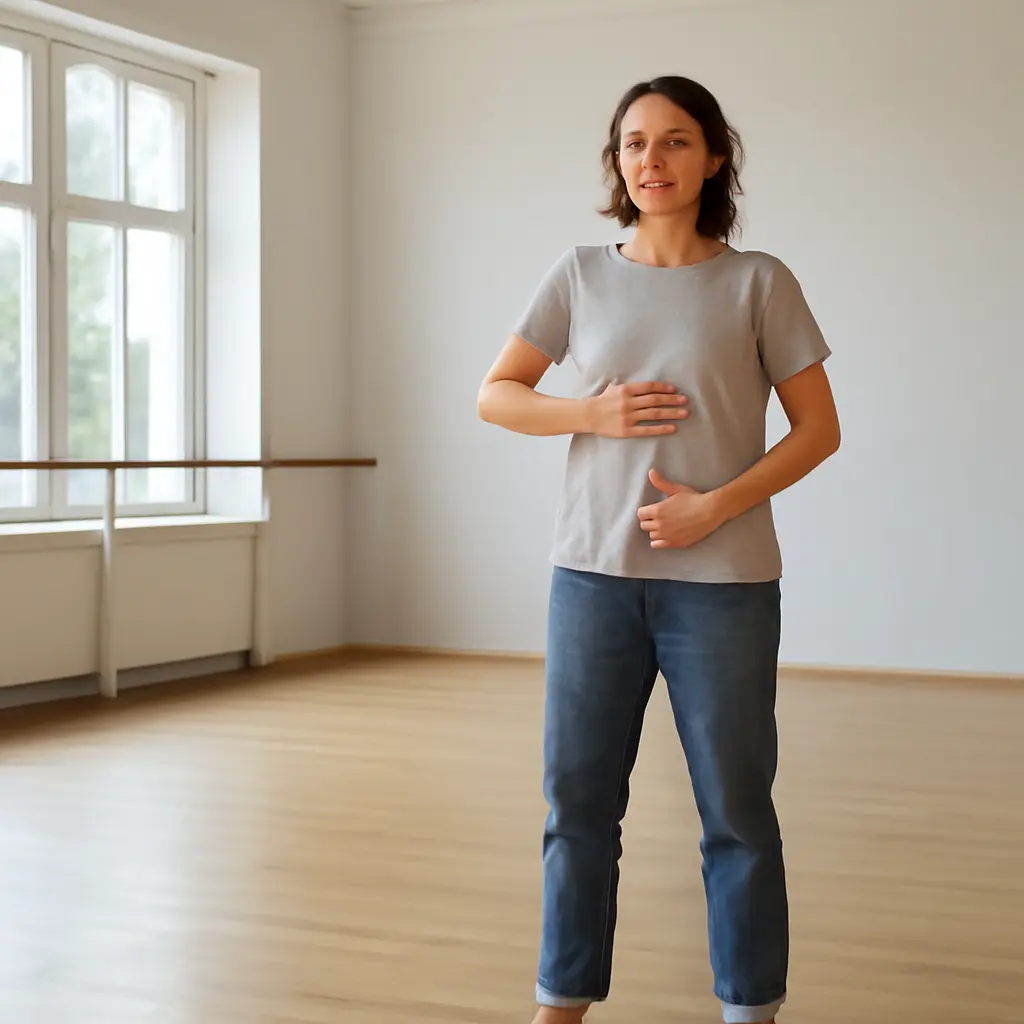
Breathing into movement means coordinating the breath with muscular effort, release, and attention so that motion feels more intentional and expressive. In dance and other movement practices, contraction—a deliberate drawing inward of the torso or limbs—can sharpen rhythm, communicate emotion, and make changes in energy easier to perceive. Breath is not simply decoration: respiratory research […]